
Types of grafts
- Connective tissue graft, often used to cover exposed roots
- Free gingival graft, often used to thicken and strengthen tissue
- Donor tissue or collagen-based materials, in selected cases
What to expect
Your periodontist will review which graft suits each area and whether tissue would be taken from the palate. The procedure is performed under local anesthesia. For eligible patients, sedation is available through an independent, licensed anesthesia group. Healing is gradual over several weeks, with follow-up visits to check progress.
Before and after
Free gingival graft
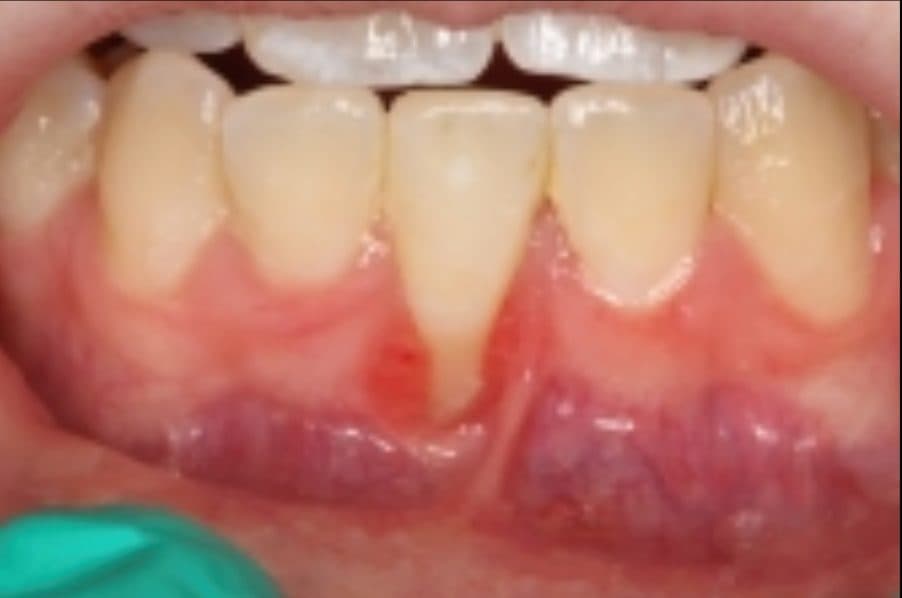
Before 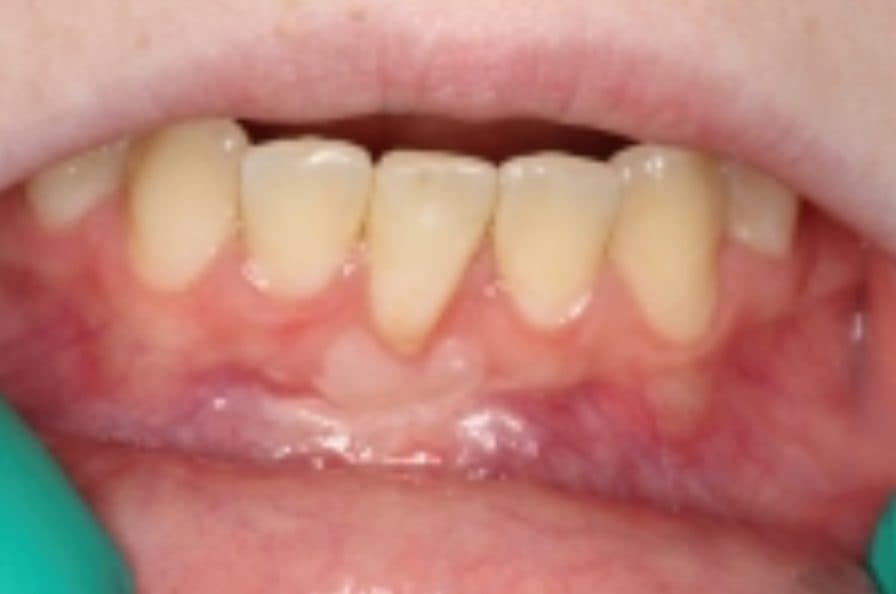
After Free gingival graft
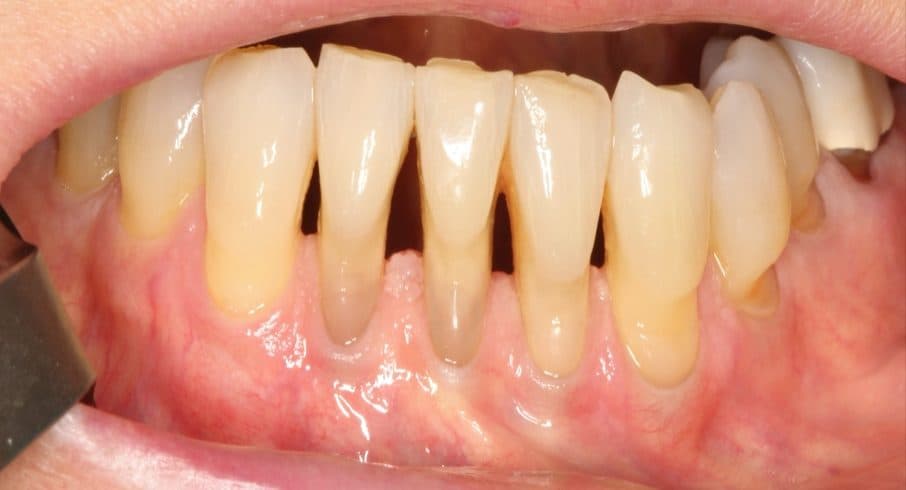
Before 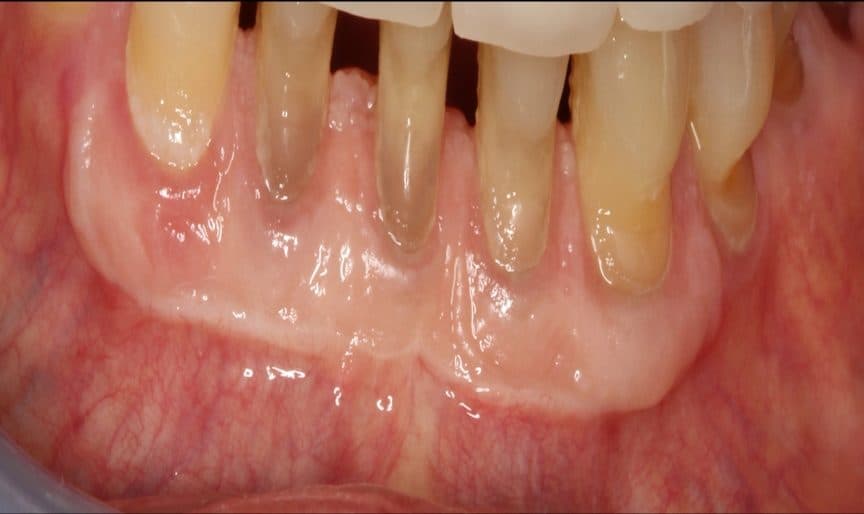
After Connective tissue graft
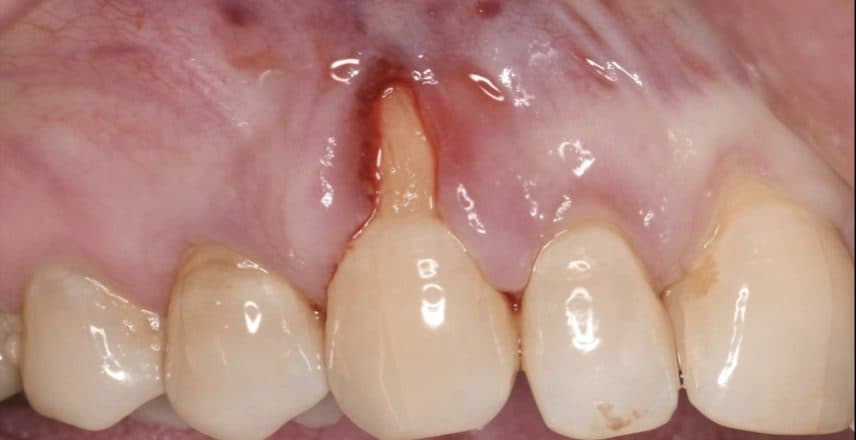
Before 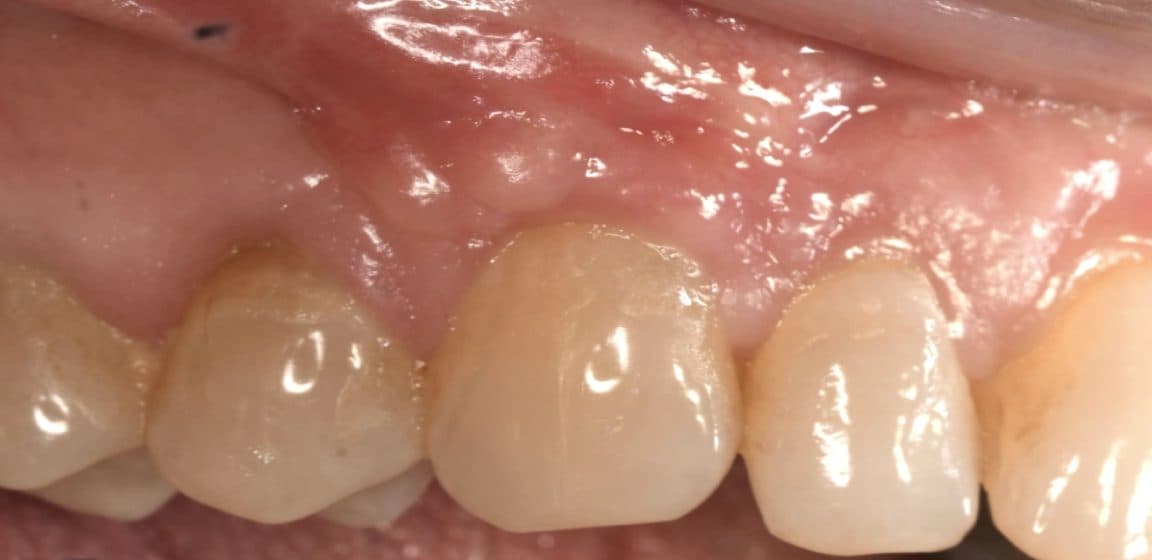
After Connective tissue graft
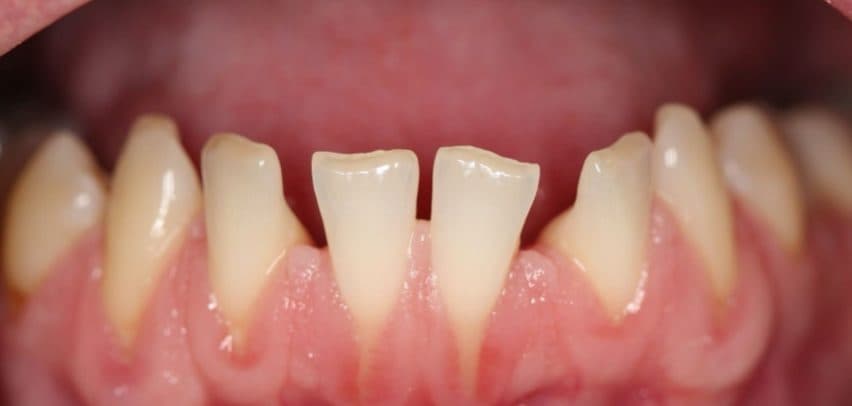
Before 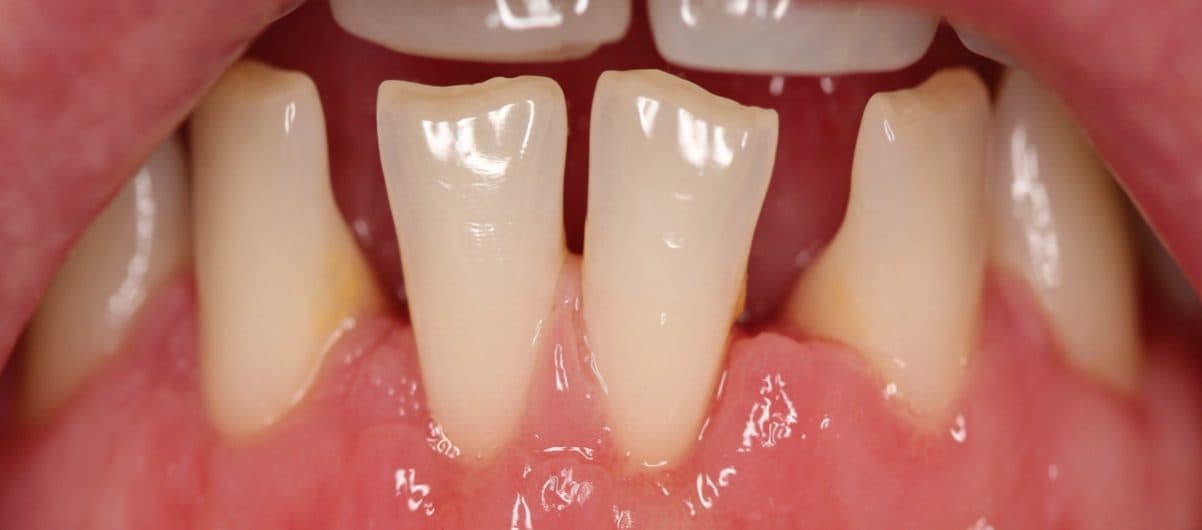
After
Individual results vary. These photographs do not guarantee a particular outcome.
Common questions
Will the graft fully cover my root?
Root coverage depends on several factors, including the bone and tissue around the tooth. Your periodontist will explain what is realistic for each area before you decide.